









インドネシアにおけるKITAS(インドネシアの在留許可証)の種類:駐在員および外国人向け完全ガイド
2026 年 3 月 30 日
•
7分で読めます


コンテンツ
インドネシアは、東南アジアで新たな機会を求める外国人駐在員、起業家、医療従事者、退職者をますます多く引き付けています。長期滞在を計画している人にとって、 インドネシアにおけるKITASの種類 許可証は単に役立つだけでなく、不可欠です。適切な許可証は、法的地位、就労資格、そしてその国での生活の質全般を左右します。.
このガイドでは、徹底的かつ権威ある解説を提供します。 KITASインドネシア, 各カテゴリー、主な要件、そしてあらゆる状況において最も適切な許可証を選択する方法について解説します。.
インドネシアにおけるKITASとは何ですか?
さまざまなカテゴリーを詳しく見ていく前に、まず基本的な質問に答えておくと良いでしょう。 インドネシアにおけるKITASとは何ですか?
KITASとは Kartu Izin Tinggal Terbatas, これは「滞在許可証」と訳されます。これは、外国人がインドネシアに一定期間合法的に滞在することを許可する公式文書です。 KITASインドネシア 有効期間は通常6ヶ月から2年で、カテゴリーや申請者の状況に応じて更新可能です。.
プロセスは通常、 ヴィタス (限定滞在ビザ)は、インドネシアの海外領事館または大使館によって発行されます。保持者がインドネシアに入国すると、VITASは インドネシアのKITASビザ 入国管理総局を通じて申請する。この2段階の手続きは、ほとんどの許可の種類において標準的なものである。.
この枠組みを理解することは、東南アジアに進出する国際企業、海外の医療機器メーカー、ヘルスケア企業にとって特に重要です。なぜなら、KITAS(在留カード)のカテゴリーによって、権利と制限が異なるからです。.
インドネシアにおけるKITASの主な種類
いくつかの異なる インドネシアにおけるKITASの種類, それぞれ特定の目的に合わせて設計されています。以下に、外国人が利用できる最も重要なカテゴリーを詳しく解説します。.
1. インドネシアの就労許可証
その インドネシアの就労許可証 KITASは、インドネシア企業に雇用されている外国人専門家の間で最も広く利用されている滞在許可証です。KITASを取得するには、インドネシアの雇用主が申請者を保証し、申請者に代わって就労許可証(IMTA)を取得する必要があります。.
この許可証は、医療、製造、テクノロジーなどの規制対象業界で働く熟練専門家、経営幹部、技術スペシャリスト、コンサルタントにとって特に重要です。.
主な特徴:
- 有効期間は6~12ヶ月で、更新オプションあり。
- 雇用主のスポンサーシップが必要です
- 就労許可証に定められた特定の職種および役割に限定される
- インドネシア法に基づく納税義務を負う
インドネシアに進出する外国の医療機器メーカーや販売業者にとって、これは通常、雇用している代理人が所持する許可証です。これにより、法令遵守が確保され、現地のパートナーやBPOM(インドネシア食品医薬品監督庁)などの規制機関との円滑な連携が促進されます。.
2. 投資家KITAS
その 投資家KITAS これは、インドネシア企業の株式または所有権を保有する外国人向けに設計されています。ワークKITASとは異なり、このカテゴリーでは別途労働許可証(IMTA)が不要な場合が多く、柔軟性の高いカテゴリーの一つとなっています。 インドネシアにおけるKITASの種類 事業主や起業家向け。.
主な特徴:
- 有効期間は1~2年です。
- 多くの場合、IMTAは不要です
- 事業の所有権および経営活動を許可する
- インドネシアの合法的に登録された企業における、確認可能な株式保有が必須です。
東南アジアに進出するヘルスケア企業や、現地法人(PT PMA、すなわち外国資本の有限責任会社など)を設立する外国人投資家は、このカテゴリーを頻繁に利用します。これにより、完全な法的居住資格を維持しながら、日々の事業運営に直接関与することが可能になります。.
3. インドネシアの家族向けKITAS
インドネシアのKITASファミリー インドネシアに合法的に居住している近親者に合流する外国人の方を対象としています。このカテゴリーは主に以下の2つのケースを対象としています。
- インドネシア国民の配偶者
- 現在KITAS(一時滞在許可証)を所持している者の子供
主な特徴:
- 最長1年間有効、更新可能
- インドネシア人の配偶者またはKITAS保持者の親によるスポンサーシップ
- 雇用権を自動的に付与するものではありません
このタイプの インドネシアのKITASビザ 家族で一緒に移住する場合に最適です。ただし、就労には別途許可が必要となる点にご注意ください。ファミリーKITASだけでは、インドネシアで商業的に働くことはできません。.
4. 退職者向けKITAS
退職者向けKITASは、定年退職後にインドネシアに定住を希望する55歳以上の外国人が利用できます。このカテゴリーは、バリ島、ロンボク島、その他のライフスタイル重視の地域で特に人気があります。.
主な特徴:
- 有効期間は1年間で、毎年更新が必要です。
- 年金受給または継続的な不労所得を証明する書類が必要です
- 契約者は少なくとも1人の現地の家事労働者を雇用しなければならない
- このカテゴリーではインドネシアでの就労は認められていません。
このカテゴリーは企業や専門職の申請者には直接適用されませんが、インドネシアでの長期滞在の選択肢を検討している一般読者にとっては関連性があります。.
5. 学生ビザ(KITAS)
インドネシアの認可を受けた教育機関に在籍する留学生は、学生KITAS(在留許可証)を申請することができます。この許可証は、留学プログラムの期間に直接関連しています。.
主な特徴:
- 登録した学習プログラムの期間中有効です。
- 教育機関が後援
- 就労は許可されていません
これはより専門的なものの1つである インドネシアにおけるKITASの種類 そして、その資格要件と使用方法については、ほぼ自明である。.
6. 配偶者KITAS(結婚に基づく滞在許可証)
配偶者KITASは、 インドネシアのKITASファミリー, これは、インドネシア国民と合法的に結婚している外国人向けに発行されるものです。通常のファミリーKITASと区別する価値があるのは、一定期間の居住後にKITAP(永住許可証)への切り替え資格が得られるという、長期的なメリットが加わる点です。.
主な特徴:
- インドネシア人の配偶者がスポンサー
- 特定の条件下で限定的な就労権を認める場合がある
- 数年間継続して居住した後、KITAPへの切り替え資格が得られます。
これ インドネシア KITAS インドネシアで明確かつ長期的な移民経路を求める外国人によって頻繁に利用されている。.
7. デジタルノマド向けKITAS(新興カテゴリー)
インドネシアは、知識労働者の働き方の世界的な変化を受けて、リモートワーカーやデジタルノマドのための枠組みを構築してきた。正式なデジタルノマド向けKITAS(滞在許可証)の導入が議論されている一方で、このカテゴリーは重要な新たな選択肢として浮上している。.
主な特徴:
- 海外の顧客や雇用主から収入を得ているリモートワーカー向け
- インドネシアでの現地雇用は許可されていません
- 海外からの安定した収入の証明が必要です
このカテゴリーはインドネシアの移民政策の中でまだ発展途上ではあるものの、同国の居住制度の重要な方向性を示しており、最も需要の高いカテゴリーの一つになる可能性がある。 インドネシアにおけるKITASの種類 近い将来。.
インドネシアのKITAS取得に関する一般要件
具体的な文書はカテゴリーによって異なりますが、ほとんどの場合 KITASインドネシア アプリケーションには共通の要件セットがあります。
- 有効期限が十分に残っている有効なパスポート
- 該当する個人または企業からの推薦状
- 記入済みの移民申請書
- 十分な資金または収入を証明する財務書類
- 仕事関連の申請に必要なIMTAなどの補助許可
このプロセスは通常、VITAS申請からオフショアで始まり、正式な発行で完了します。 インドネシア KITAS 到着後、国内にて 処理.
インドネシアでKITAS(インドネシア滞在許可証)を取得するメリット
有効な インドネシアのKITASビザ 外国人に対し、単に合法的に国内に居住する以上の、実質的なメリットを提供する。これには以下が含まれる。
- インドネシアの主要銀行で個人銀行口座を開設できる能力
- 地域の医療施設や行政サービスへのアクセス
- インドネシアの運転免許証を取得するための資格
- 年間更新および許可延長のための簡素化された手続き
- インドネシア居住規則に基づく法的保護
所有者向け インドネシアの就労許可証, また、この許可証はインドネシアの雇用主から報酬を受け取る法的権利を確立するものであり、これは移民法と税法の両方を遵守する上で極めて重要である。.
KITASとKITAP:違いを理解する
探索中 インドネシアにおけるKITASとは何ですか?, 長期的な対応物である KITAP (Kartu Izin Tinggal Tetap)、または永住許可証。.
キタス: 有効期間が6ヶ月から2年の短期滞在許可証で、定期的な更新が必要です。.
KITAP: 最長5年間有効な永住許可証は、 KITASインドネシア 資格取得期間(ほとんどのカテゴリーでは通常5年間連続)。.
長期滞在を約束している外国人にとって、 KITASインドネシア KITAPへの参加は、あらゆる移民政策計画に盛り込むべき戦略的な考慮事項である。.
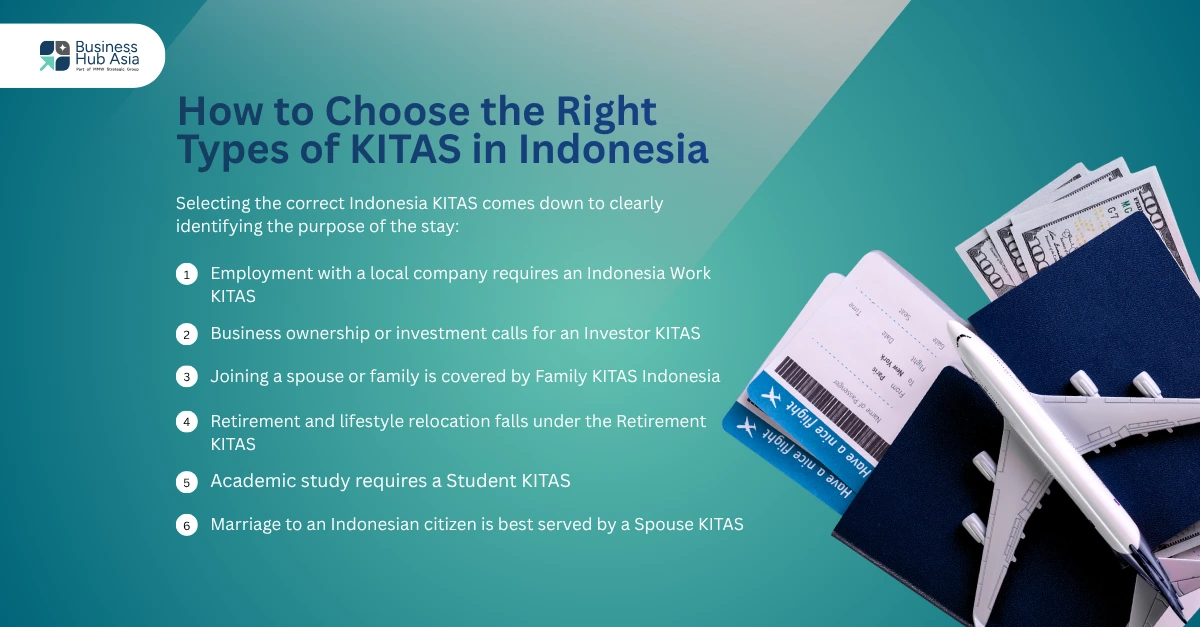
最初からこの選択を正しく行うことで、法令遵守上の問題、不必要な事務コスト、そして居住資格への潜在的な支障を回避できます。.
結論
インドネシアは、さまざまな制度を通じて外国人に体系的で利用しやすい居住制度を提供している。 インドネシアにおけるKITASの種類. 目標が専門職への就職、事業投資、家族の再統合、学術研究、退職のいずれであっても、 インドネシアのKITASビザ その特定の状況に合わせて調整されています。.
インドネシア市場に参入する外国の医療機器メーカー、販売業者、ヘルスケア企業にとって、 KITASインドネシア これは、当該国において法令遵守に基づいた持続可能な活動拠点を構築するための、実践的な第一歩です。適切なカテゴリーを特定し、関連する要件を満たすことで、外国人は東南アジアで最も活気のある経済圏の一つにおいて、合法的に、かつ十分な書類を揃えた、生産的な滞在を実現できます。.

よくある質問
インドネシアにおけるKITASとは何ですか?また、誰が必要とするのですか?
KITASとは Kartu Izin Tinggal Terbatas, または、限定滞在許可証。インドネシアに60日以上滞在しようとする外国人は、通常、合法的に国内に滞在するためにKITAS Indonesia(インドネシア滞在許可証)が必要です。これには、労働者、投資家、インドネシア国民の配偶者、学生、退職者などが含まれます。.
インドネシアのVITASビザとKITASビザの違いは何ですか?
VITAS(滞在期間限定ビザ)は、インドネシア到着前にインドネシア大使館または領事館によって発行されます。インドネシア入国後、VITASは現地の入国管理局を通じてKITASビザ(インドネシア滞在許可証)に切り替えられます。VITASは基本的に入国許可証であり、KITASはインドネシア国内の居住許可証です。.
インドネシアの家族滞在許可証(KITAS Indonesia)の保持者は合法的に働くことができますか?
自動的には付与されません。インドネシアの家族KITASは、就労権を当然に付与するものではありません。就労を希望する保持者は、別途就労許可(IMTA)を取得し、その許可をインドネシア就労KITASに切り替えるか、個々の状況に応じて追加の許可を取得する必要があります。.
インドネシアの就労許可証(Work KITAS)の発行にはどれくらい時間がかかりますか?
処理時間は、スポンサー企業の提出書類、地域の入国管理局、および現在の処理量によって異なります。一般的に、申請者は、就労許可申請からインドネシア就労KITASの最終発行まで、数週間かかることを想定しておく必要があります。.
インドネシアの外国人投資家は、別途就労許可証を取得せずに投資家KITAS(滞在許可証)を保持できますか?
多くの場合、可能です。投資家向けKITASは、別途IMTA(就労許可)を取得することなく、事業の所有および経営活動を可能にするように設計されています。ただし、具体的な要件は、会社の組織構造と投資家の役割によって異なります。申請前に法律相談を受けることをお勧めします。.
KITAS IndonesiaからKITAPへの経路はどのようなものですか?
インドネシアのKITAS(一時滞在許可証)を一定期間(ほとんどのカテゴリーで通常5年間)保持すると、外国人はKITAP(永住許可証)の申請資格を得ることができます。配偶者のKITAS保持者は、より短い期間で資格を得られる場合があります。KITAPは最長5年間有効で、毎年更新する手続きの手間を大幅に軽減します。.
インドネシアには、医療または医療機器業界に関連する特定の種類のKITAS(インドネシアの就労許可証)はありますか?
はい。医療機器販売会社やヘルスケア企業に雇用されている外国人専門家は、通常、現地の雇用主がスポンサーとなるインドネシア就労ビザ(KITAS)を所持しています。ヘルスケア分野のPT PMA(外資系企業)の投資家や取締役は、一般的に投資家ビザ(Investor KITAS)を使用します。適切なビザの種類は、個人の役割、雇用形態、インドネシア国内での事業形態によって異なります。.
私たちのチームに連絡してください
弊社が貴社の会社設立や拡大にどのように貢献できるかお知らせください。
自信を持って東南アジア市場への参入を始めましょう
Business Hub Asiaは、事業ライセンスや製品登録から従業員管理まで、インドネシア、ベトナム、フィリピンの規制遵守をお手伝いします。効率的で正確、そしてビジネス重視のアプローチでサポートいたします。
免責事項
このウェブサイトで提供されるコンテンツは、 PT. ビジネスハブアジア (“「“私たちは"、 または "私たち(以下「本サイト」といいます)は、一般的な情報提供のみを目的としています。掲載情報の正確性と最新性を確保するため、当社はあらゆる努力を払っておりますが、本サイトに掲載されているコンテンツ、製品、またはサービスの完全性、正確性、信頼性、適合性、または可用性について、明示的または黙示的を問わず、いかなる表明または保証も行いません。当該情報への依拠は、ユーザーご自身の責任において行っていただきますようお願いいたします。
私たちは 民間の独立団体 そして 提携関係にない, 承認者、 または 代理として行動する インドネシア共和国政府、その省庁、機関、または公式に任命された代表者。本ウェブサイトは ない 以下を含むがこれに限定されない、政府の公式文書またはサービスを提供、提供、または宣伝すること:
企業識別番号 (Nomor Induk Berusaha – NIB);
税金の還付または払い戻し。
滞在許可証または電子渡航認証。
パスポートまたはその他の入国関連書類。
かかるサービスへの言及は、一般的な情報提供のみを目的としており、公式サービスの提供または促進として解釈されるべきではありません。
当社は、お客様の個人情報を以下のとおり保護することに尽力しております。 2022年個人情報保護法第27号当ウェブサイトを通じて収集された個人情報は、[プライバシーステートメント]に明記されている目的のために処理されます。いかなる状況においても、個人データを販売または悪用することはありません。
本ウェブサイトにアクセスし、本ウェブサイトを利用することにより、お客様は本免責事項に定められた条件を承認し、同意するものとします。また、お客様は本ウェブサイトおよび提供される情報を、適用される法令を遵守し、責任を持って利用することに同意するものとします。
この免責事項に関する詳しい情報やご質問については、お問い合わせページに記載されているチャネルを通じて当社までご連絡ください。
あなたも気に入るかもしれない
東南アジアでのビジネスに関する最新の洞察、ガイド、記事で最新情報を入手してください。
移民
インドネシアにおける国際結婚:結婚を正しく届け出る方法

ファリ・ラマンダ・プトラ • 2026年9月3日
移民
インドネシア到着ビザ:出国せずに滞在許可証に切り替える方法
ファリ・ラマンダ・プトラ • 2026年9月2日
移民
配偶者のインドネシアKITAS:海外で婚姻登録済みの場合、海外から申請する場合
ファフリ・ラマンダ・プトラ • 2026年9月1日