

Oktober 2026: Batas Waktu Halal yang Mempengaruhi Setiap Kategori Produk Konsumen
8 Mei 2026
•
Waktu baca 8 menit
Isi
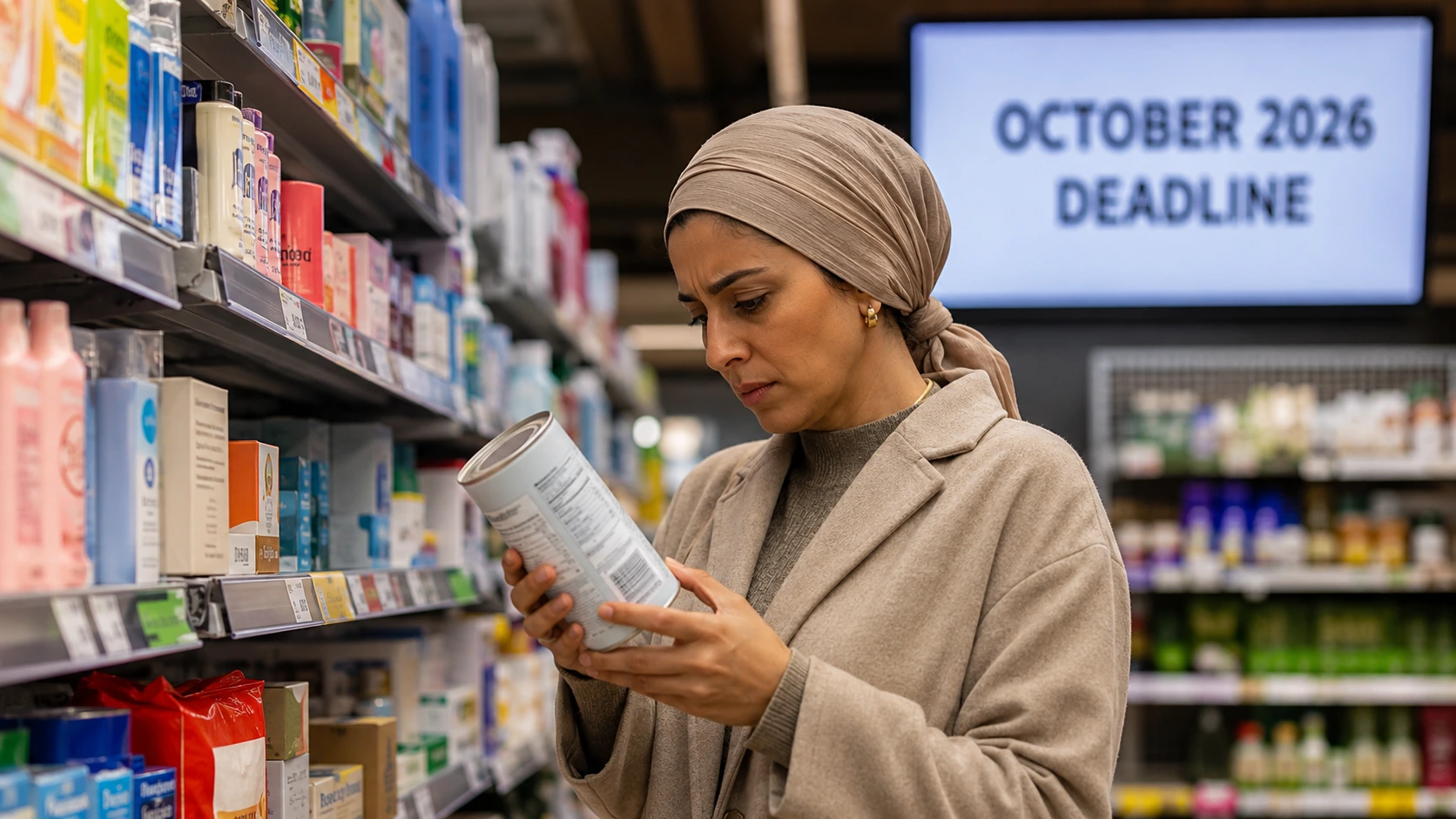
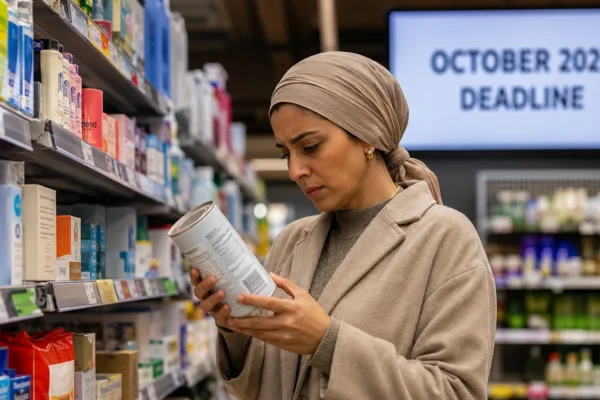
Waktu terus berjalan. Pada tanggal 17 Oktober 2026, setiap merek kosmetik, importir suplemen makanan, dan distributor produk kesehatan rumah tangga yang beroperasi di Indonesia harus memiliki sertifikat halal Indonesia yang valid atau berisiko kehilangan akses ke salah satu pasar konsumen paling menguntungkan di Asia Tenggara.
Bagi perusahaan asing dan eksportir yang telah menginvestasikan waktu dan modal untuk pendaftaran produk BPOM, tenggat waktu ini memperkenalkan persyaratan kepatuhan paralel yang membawa konsekuensi komersial nyata.
Indonesia adalah negara mayoritas Muslim terbesar di dunia, rumah bagi lebih dari 230 juta umat Muslim. Realitas pasar tersebut selalu membentuk ekspektasi konsumen. Kini, hal itu juga membentuk hukum nasional.
Siapa BPJPH dan Mengapa Mereka Penting Saat Ini?
BPJPH (Badan Penyelenggara Jaminan Produk Halal), Badan Jaminan Produk Halal, beroperasi di bawah Kementerian Agama Indonesia. Ditetapkan melalui Undang-Undang Nomor 33 Tahun 2014 tentang Jaminan Produk Halal (GR 33/14) dan diperkuat lebih lanjut oleh Peraturan Pemerintah Nomor 39 Tahun 2021 (GR 39/21BPJPH memegang wewenang eksklusif untuk menerbitkan sertifikat halal untuk produk yang dijual atau didistribusikan di seluruh wilayah Indonesia.
Berbeda dengan program sertifikasi sukarela yang ditemukan di beberapa pasar internasional, mandat sertifikasi BPJPH diberlakukan oleh pemerintah. Produk yang ditemukan beredar tanpa label halal yang sah setelah batas waktu yang ditentukan dapat menghadapi penarikan dari rak toko, penundaan bea cukai, atau sanksi administratif berdasarkan Undang-Undang JPH.
Bagi importir dan produsen asing, pesannya jelas: persyaratan sertifikat halal Indonesia berlaku untuk barang impor dengan kekuatan yang sama persis seperti yang berlaku untuk barang produksi dalam negeri. Tidak ada pengecualian untuk negara asal.
Produk apa saja yang tercakup dalam mandat Oktober 2026?
Peluncuran JPH Law mengikuti jadwal bertahap. Fase Oktober 2026 secara khusus menargetkan kategori produk yang berinteraksi langsung dengan konsumen. Tabel di bawah ini menguraikan cakupan saat ini:
| Kategori Produk | Apakah Halal Wajib? | Tenggat waktu | Badan Penerbit |
| Kosmetik | Ya | 17 Oktober 2026 | BPJPH |
| Suplemen Makanan | Ya | 17 Oktober 2026 | BPJPH |
| Obat Tradisional | Ya | 17 Oktober 2026 | BPJPH |
| PKRT (Produk Kesehatan Rumah Tangga) | Ya | 17 Oktober 2026 | BPJPH |
| Obat Resep | Dikecualikan (fase saat ini) | Akan ditentukan kemudian | BPJPH |
| Perangkat Medis Kelas II dan III | Dikecualikan (fase saat ini) | Akan ditentukan kemudian | BPJPH |
PKRT (Perbekalan Kesehatan Rumah Tangga) mencakup disinfektan, antiseptik, insektisida, dan produk perawatan pribadi yang diklasifikasikan sebagai perlengkapan kesehatan rumah tangga berdasarkan peraturan Indonesia. Banyak merek asing terkejut ketika mengetahui lini produk mereka termasuk dalam kategori ini. Persyaratan halal PKRT Indonesia sama mengikatnya dengan aturan untuk kosmetik dan suplemen, dan tidak boleh dianggap sebagai hal yang sepele.
Apa Sebenarnya Persyaratan Sertifikasi Halal
Memperoleh sertifikat halal di Indonesia bukan sekadar mengisi formulir deklarasi. Prosesnya melibatkan tinjauan kepatuhan terstruktur yang disebut Sistem Jaminan Produk Halal (SJPH), Sistem Penjaminan Produk Halal Indonesia. Proses aplikasi perusahaan asing SJPH Indonesia biasanya meliputi tahapan-tahapan berikut:
- Pendaftaran perusahaan dengan BPJPH melalui platform online SiHalal (lihat tautan eksternal 1: portal resmi BPJPH)
- Pengajuan dokumen, termasuk daftar bahan lengkap, sertifikat pemasok, bagan alur produksi, dan sertifikasi halal bahan baku.
- Audit bahan baku, mencakup setiap komponen dan menelusuri sumbernya
- Inspeksi proses produksi, dilakukan baik di lokasi maupun melalui peninjauan dokumen. Bagi produsen asing, ini biasanya melibatkan Badan Inspeksi Halal (LPH) terakreditasi yang bekerja sama dengan fasilitas di luar negeri.
- Penerbitan Fatwa MUI, di mana Majelis Ulama Indonesia meninjau temuan audit dan memberikan pengesahan keagamaan.
- Penerbitan sertifikat BPJPH, dokumen resmi terakhir yang mengkonfirmasi status halal
Perusahaan asing wajib menunjuk LPH (Lembaga Pemeriksa Halal) terakreditasi yang disetujui oleh BPJPH. Lembaga ini melakukan audit teknis, menyerahkan temuannya kepada MUI, dan barulah BPJPH menerbitkan sertifikat.
Tantangan Spesifik Kategori
Kosmetik
Untuk kosmetik Bagi merek-merek tersebut, hambatan kepatuhan yang paling signifikan meliputi: bahan berbasis alkohol Dan komponen yang berasal dari hewan. Banyak formulasi menggunakan etanol sebagai pelarut atau pengawet. Berdasarkan standar halal Indonesia, kebolehan alkohol dalam kosmetik topikal tunduk pada kondisi dan ambang batas konsentrasi tertentu.
Bahan-bahan seperti kolagen, elastin, atau keratin yang bersumber dari hewan non-halal akan mendiskualifikasi suatu produk sepenuhnya. Persyaratan kosmetik halal wajib di Indonesia berarti bahwa reformulasi mungkin tidak dapat dihindari sebelum permohonan sertifikasi dapat berhasil. Proses ini saja dapat memakan waktu beberapa bulan, jadi mengidentifikasi masalah bahan sejak dini sangat penting.
Suplemen
Kategori suplemen menghadapi apa yang oleh banyak orang di industri disebut sebagai "masalah kapsul gelatin." Mayoritas produk kapsul lunak dan keras menggunakan gelatin yang berasal dari babi, yang tidak sesuai dengan standar halal. Untuk memenuhi syarat persetujuan sertifikasi halal BPJPH untuk suplemen, merek harus beralih ke gelatin sapi dari sapi yang disembelih secara halal, atau ke alternatif nabati seperti hidroksipropil metilselulosa (HPMC).
Setiap bahan tambahan, bahan pelapis, perasa, dan pengawet yang digunakan dalam produk juga harus diverifikasi status halalnya. Tingkat pengawasan bahan ini lebih ketat daripada yang dialami banyak merek di pasar lain.
PKRT
Produk PKRT seringkali mengandung senyawa kimia yang bersumber dari pemasok internasional. Menetapkan status halal senyawa tersebut, termasuk surfaktan, pengawet, dan zat antimikroba, memerlukan penelusuran rantai pasokan hingga ke asal bahan baku. Bagi banyak produsen asing, ini adalah tahap yang paling membutuhkan dokumentasi dalam proses sertifikasi, terutama ketika pemasok berada di luar Indonesia dan tidak terbiasa dengan persyaratan dokumentasi BPJPH.
Bagaimana Sertifikasi Halal Berinteraksi dengan Registrasi BPOM
Di sinilah banyak importir mengalami kebingungan. BPOM (Badan Pengawas Obat dan Makanan), Otoritas Pengawas Obat dan Makanan Indonesia, menangani registrasi keamanan produk. BPJPH menangani sertifikasi halal. Ini adalah dua lembaga terpisah yang beroperasi di bawah dua kerangka peraturan yang berbeda.
Namun, keduanya sangat terkait erat di tingkat label produk.
Setelah BPJPH mengeluarkan sebuah sertifikat halal, Label halal resmi harus tertera pada kemasan produk yang telah terdaftar di BPOM. Jika suatu merek telah menyelesaikan pendaftaran BPOM dengan label yang tidak menyertakan tanda halal, pengajuan variasi label ke BPOM diperlukan setelah sertifikasi halal diperoleh.
Waktu adalah segalanya di sini. Mengajukan sertifikat halal impor Indonesia tanpa berkoordinasi dengan proses registrasi BPOM, atau sebaliknya, dapat mengakibatkan pengerjaan ulang, biaya tambahan, dan berpotensi melewatkan tenggat waktu. Bagi bisnis yang menargetkan kedua tonggak kepatuhan secara bersamaan, pendekatan terintegrasi memberikan hasil yang jauh lebih baik.
Draf Peraturan Pelabelan Januari 2026
Di samping mandat halal, terdapat rancangan peraturan pelabelan yang sedang ditinjau oleh BPOM, yang diusulkan untuk diimplementasikan pada awal tahun 2026. Jika diberlakukan, peraturan ini akan mewajibkan label produk untuk mengungkapkan:
- Itu asal usul bahan-bahan utama (hewani, nabati, atau sintetis)
- Itu kandungan alkohol pada produk kosmetik dan topikal, jika berlaku.
- Diperluas pengungkapan alergen melampaui persyaratan saat ini
Meskipun peraturan tersebut masih dalam bentuk draf pada saat penulisan ini, merek asing sebaiknya memperlakukannya sebagai lapisan kepatuhan yang akan datang. Mendesain kemasan yang memenuhi persyaratan halal BPJPH dan aturan pelabelan BPOM yang diusulkan sejak awal akan menghindari desain ulang yang mahal di kemudian hari.
Melacak perkembangan regulasi regional melalui badan-badan seperti ASEAN Cosmetics Association sangat disarankan bagi merek-merek yang aktif di berbagai pasar Asia Tenggara.
Anda mungkin juga menyukai: Mengapa Oktober 2026 Merupakan Batas Waktu yang Ketat bagi Merek Asing di Bawah Regulasi Kosmetik BPOM yang Baru?
Garis Waktu: Berapa Lama Proses Sertifikasi Halal Memakan Waktu?
Jangka waktu pemrosesan yang realistis untuk sertifikat halal di Indonesia, dari pengajuan dokumen hingga penerbitan sertifikat, berkisar antara... 3 dan 6 bulan. Berikut rinciannya:
| Panggung | Perkiraan Durasi |
| Persiapan dokumen dan analisis kesenjangan | 2 hingga 4 minggu |
| Penjadwalan dan penyelesaian audit LPH | 4 hingga 8 minggu |
| Tinjauan fatwa MUI | 4 hingga 8 minggu |
| Penerbitan sertifikat BPJPH | 2 hingga 4 minggu |
Merekayasa Balik Garis Waktu untuk Oktober 2026:
Jika tanggal 17 Oktober 2026 adalah batas waktu kepatuhan, maka bisnis harus bekerja mundur:
| Tindakan yang Diperlukan | Tanggal Target |
| Mulai persiapan dokumen dan analisis kesenjangan. | Selambat-lambatnya Mei 2026 |
| Ajukan permohonan BPJPH dan mulai audit LPH. | Juni 2026 |
| periode peninjauan MUI | Juli hingga Agustus 2026 |
| Menerima sertifikat BPJPH | September 2026 |
| Kirimkan variasi label ke BPOM. | September hingga Oktober 2026 |
Bisnis yang meninjau panduan ini pada pertengahan tahun 2026 berada di ambang batas aman. Penundaan lebih lanjut berisiko menyebabkan ketidakpatuhan pada tenggat waktu, yang dapat berarti penangguhan impor produk, pemblokiran persetujuan label BPOM, atau penarikan paksa produk dari saluran ritel Indonesia.
Alasan Komersial untuk Bertindak Sekarang
Selain kepatuhan terhadap peraturan, ada alasan bisnis yang kuat untuk secara proaktif mengupayakan sertifikat halal di Indonesia. Pasar kosmetik halal global diproyeksikan mencapai lebih dari USD 93 miliar pada tahun 2030, dengan pertumbuhan tahunan gabungan sekitar 12 persen.
Indonesia merupakan salah satu pasar konsumen dengan pertumbuhan tercepat di Asia Tenggara untuk produk kecantikan, kesehatan, dan perawatan pribadi halal.
Merek yang mendapatkan sertifikasi halal sebelum batas waktu Oktober 2026 akan diposisikan untuk memasarkan diri sebagai pilihan tepercaya dan patuh di pasar di mana keaslian halal semakin mendorong keputusan pembelian. Pelopor juga mendapat manfaat dari akses rak yang lebih cepat, hubungan distributor yang lebih kuat, dan keunggulan kompetitif dibandingkan merek yang masih dalam proses sertifikasi.
Label halal bukan hanya sekadar penanda kepatuhan. Dalam konteks pasar Indonesia, label ini merupakan sinyal kepercayaan.
Bagaimana Business Hub Asia Menangani Halal dan Registrasi Produk Secara Bersamaan
Business Hub Asia mengkhususkan diri dalam membimbing perusahaan asing melalui lanskap kepatuhan ganda di Indonesia: registrasi produk BPOM dan sertifikasi halal BPJPH. Alih-alih mengelola dua proses terpisah melalui dua penyedia terpisah, klien bekerja dengan satu tim terkoordinasi yang menangani persiapan dokumen, penjadwalan audit, analisis kesenjangan bahan, peninjauan desain label, dan pengajuan regulasi di kedua lembaga tersebut.
Tim memahami tantangan pengurutan antara BPOM dan BPJPH, standar bahan khusus kategori, dan harapan dokumentasi untuk aplikasi perusahaan asing SJPH Indonesia. Baik merek tersebut membawa masuk kosmetik, suplemen, atau produk PKRT, manajemen terkoordinasi dari proses kepatuhan ujung-ke-ujung secara signifikan mengurangi risiko kesalahan yang mahal dan keterlambatan yang dapat dihindari.
Bagi bisnis yang siap bergerak sebelum batas waktu Oktober 2026 berakhir, sekaranglah saat yang tepat untuk memulai.
Penutupan
Oktober 2026 bukanlah angka yang jauh di kalender perencanaan masa depan. Bagi bisnis yang menjual kosmetik, suplemen, atau produk PKRT di Indonesia, ini adalah tenggat waktu operasional aktif yang membutuhkan perhatian segera. Proses sertifikasi halal di Indonesia memakan waktu berbulan-bulan, dan waktu untuk menyelesaikannya semakin menyempit dengan cepat.
Kabar baiknya adalah, dengan bimbingan yang tepat, perjalanan dari kesenjangan kepatuhan menuju produk bersertifikasi sepenuhnya dapat dicapai. Setiap portofolio produk berbeda, dan tim membangun pendekatannya berdasarkan posisi regulasi spesifik setiap klien.
Jangan biarkan tenggat waktu membuat bisnis Anda lengah. Hubungi kami hari ini dan ambil langkah percaya diri pertama menuju kepatuhan halal sepenuhnya sebelum waktu habis.

Artikel Oleh
Dr. Hussein H. Mashhour, MD
Hussein adalah seorang dokter medis berlisensi dan eksekutif perawatan kesehatan dengan pengalaman lebih dari 10 tahun di bidang farmasi, alat kesehatan, dan kesehatan digital. Di Business Hub Asia, ia membimbing perusahaan global melalui proses registrasi MoH, BPOM, dan CDAKB, akses pasar, dan kepatuhan regulasi di seluruh Asia Tenggara.
Business Hub Asia membantu Anda mendirikan, menjalankan, dan mengembangkan bisnis Anda di Indonesia & Asia Tenggara.
Konsultasi dengan PakarHubungi Tim Kami
Beri tahu kami bagaimana kami dapat membantu pembentukan atau perluasan perusahaan Anda.
Mulailah Memasuki Pasar Asia Tenggara dengan Percaya Diri
Business Hub Asia siap membantu Anda memahami regulasi di Indonesia, Vietnam, dan Filipina, mulai dari perizinan usaha dan pendaftaran produk hingga manajemen tenaga kerja. Dengan pendekatan yang efisien, akurat, dan berfokus pada bisnis.
Penafian
Konten yang disediakan di situs web ini diterbitkan oleh PT. Bisnis Hub Asia (“Kami", atau "kita") hanya untuk tujuan informasi umum. Meskipun segala upaya telah dilakukan untuk memastikan keakuratan dan ketepatan waktu informasi yang disajikan, kami tidak memberikan pernyataan atau jaminan, baik tersurat maupun tersirat, mengenai kelengkapan, keakuratan, keandalan, kesesuaian, atau ketersediaan konten, produk, atau layanan apa pun yang dijelaskan di situs web ini. Segala ketergantungan pada informasi tersebut sepenuhnya merupakan risiko pengguna sendiri.
Kami adalah badan swasta dan independen dan adalah tidak berafiliasi dengan, diizinkan oleh, atau bertindak atas nama Pemerintah Republik Indonesia, kementerian, lembaga, atau perwakilan resmi yang ditunjuk. Situs web ini tidak bukan menyediakan, menawarkan, atau mempromosikan dokumen atau layanan resmi pemerintah, termasuk namun tidak terbatas pada:
Nomor Induk Berusaha (NIB);
Pengembalian atau potongan pajak;
Izin Tinggal atau otorisasi perjalanan elektronik;
Paspor atau dokumen terkait imigrasi lainnya.
Referensi apa pun terhadap layanan tersebut diberikan semata-mata untuk tujuan informasi umum dan tidak boleh ditafsirkan sebagai tawaran atau fasilitasi layanan resmi.
Kami berkomitmen untuk memastikan perlindungan data pribadi Anda sesuai dengan Undang-Undang Nomor 27 Tahun 2022 tentang Perlindungan Data PribadiSegala informasi pribadi yang dikumpulkan melalui situs web ini akan diproses untuk tujuan yang dijelaskan secara jelas dalam [Pernyataan Privasi] kami. Kami tidak menjual atau menyalahgunakan data pribadi dalam keadaan apa pun.
Dengan mengakses dan menggunakan situs web ini, Anda mengakui dan menyetujui ketentuan yang tercantum dalam Pernyataan Penyangkalan ini. Anda selanjutnya setuju untuk menggunakan situs web ini dan informasi yang diberikan secara bertanggung jawab dan sesuai dengan hukum dan peraturan yang berlaku.
Untuk informasi lebih lanjut atau pertanyaan mengenai Sanggahan ini, silakan hubungi kami melalui saluran yang disediakan di halaman Kontak kami.
Anda Mungkin Juga Menyukai
Tetap terinformasi dengan wawasan, panduan, dan artikel terbaru kami tentang menjalankan bisnis di Asia Tenggara.
Registrasi Produk
Registrasi Suplemen Indonesia: Jamu, Quasi, atau SK? Panduan Klasifikasi yang Mencegah Penundaan yang Mahal
Hussein H. Mashhour, MD • 28 Mei 2026
Registrasi Produk
Registrasi Suplemen Kesehatan di Indonesia: Panduan Langkah demi Langkah untuk Produsen Asing
Hussein H. Mashhour, MD • 7 Mei 2026
Registrasi Produk
Registrasi PKRT di Indonesia: Apa yang Perlu Diketahui Merek Produk Rumah Tangga dan Perawatan Rumah di Tahun 2026
Hussein H. Mashhour, MD • 4 Mei 2026